English
 Italiano
Pesce Balestra indiano - Melichthys indicus
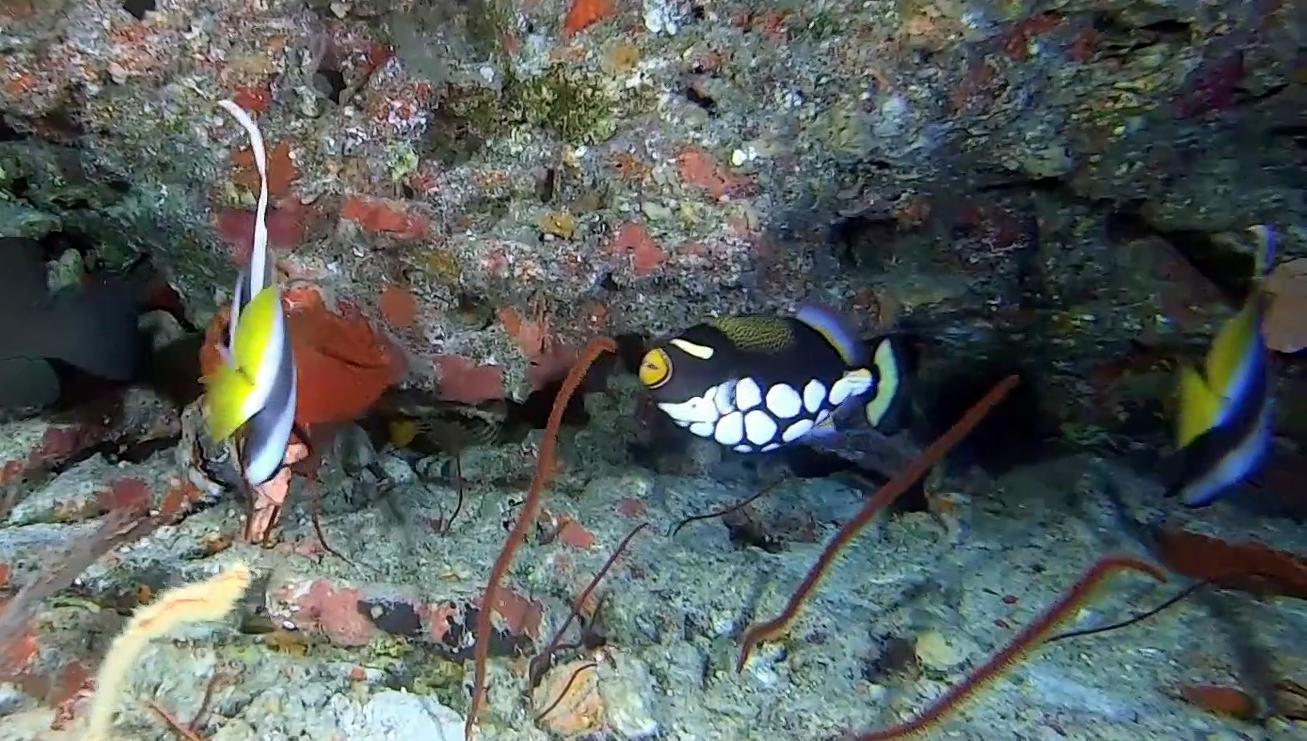
Pesce balestra pagliaccio - Balistoides conspicillum
Pesce Balestra Picasso - Rhinecanthus aculeatus
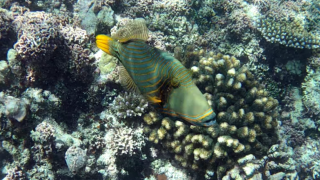
Pesce Balestra Striato - Balistapus undulatus

Pesce Balestra Titano - Balistoides viridescens
The Balistidae family includes 42 species of saltwater fish commonly known as Triggerfish, belonging to the order Tetraodontiformes. Balistidae Pesci Balestra Tetraodontiformes Triggerfish intotheblue.it
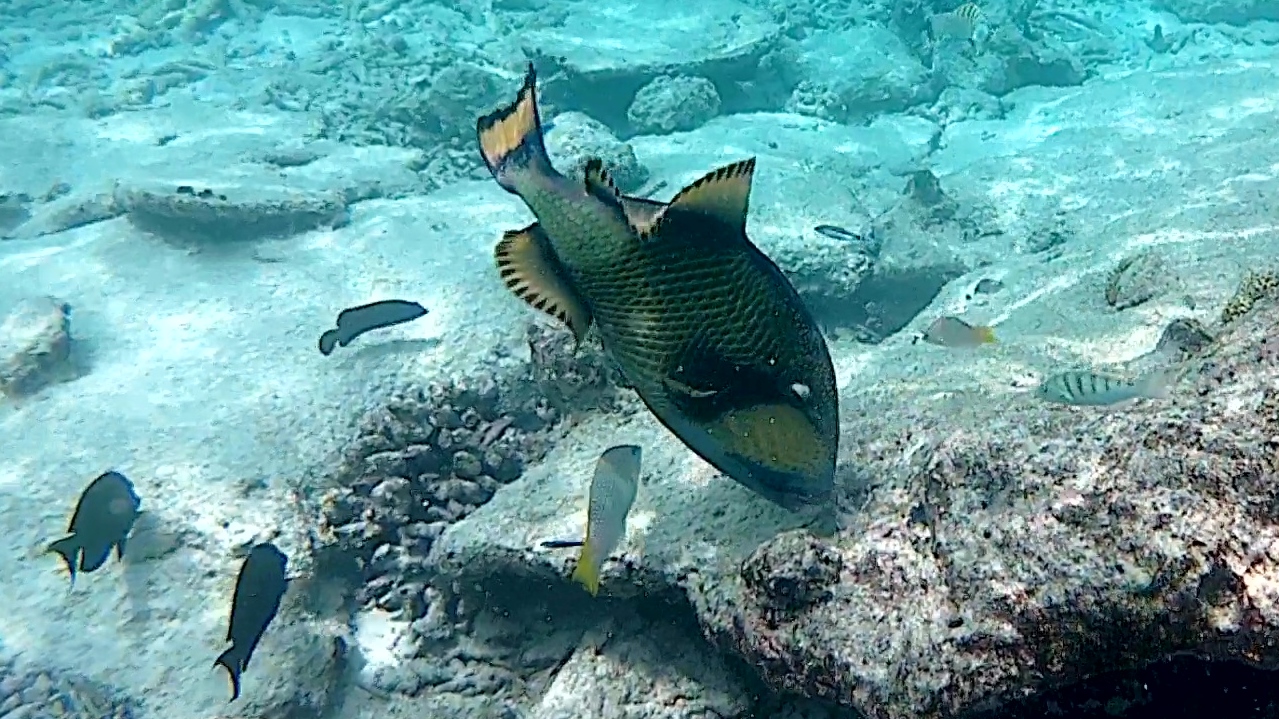
pesce balestra titano – balistoides viridescens – titan triggerfish – intptheblue.it
Etymology
The name derives from the Latin balista, crossbow, etymology easily understandable given the particular shape of the fins, similar to the arch of the crossbow and the “trigger” of the first dorsal fin.
Distribution and habitat
These species are widespread in the tropical and subtropical waters of the Atlantic Ocean, the Indo-Pacific, the Red Sea and the Mediterranean. Balistidae Pesci Balestra Tetraodontiformes Triggerfish intotheblue.it
intotheblue.it
Description
The typical rhomboidal shape of the Balistidae with the “crossbow” fins Crossbow fish have an ovoid shape, strongly compressed on the sides: the head is over 1/3 of the whole body. The eyes are prominent, the mouth is equipped with a robust beak with sharp teeth. The pectoral fins are small but robust, the ventral pair is missing, the dorsal and the anal are placed specularly and recoiled, close to the tail.
On the back there is also a particular fin, formed by 3 spiny rays, the first of which is erectile and equipped with a sort of security lock. This anatomical device allows crossbow fish to escape predators, resisting trapped between the rocks in case of danger or becoming too big in the mouth to be swallowed. The triggerfishes are easily recognizable also for their way of swimming: dorsal and anal fins in fact sway to the left and to the right alternately. The size of the Balistidae varies from 30 to 75 cm, depending on the species.
Il pesce Balestra Pagliaccio – The Clown Triggerfish – Balistoides conspicillum – intotheblue.it
Ethology
The larger species of Balistidae tend to have territorial and aggressive behavior: in particular, the Balistide Titan (Balistoides viridescens) is known for how it stoically defends its territory, even against scuba divers and snorkelers who carelessly come too close to a nest with eggs or small ones defended by an extremely aggressive parent. This fish can get to bite and even suck blood to its aggressor (who becomes assaulted) to weaken it.
The fish immediately triggers its particular dorsal fin as soon as it senses a threat; often attacks without warning. The territory of the nest is V-shaped vertically on the bottom, so the fastest way to get away by preventing an attack or escaping after having suffered it is to swim horizontally, parallel to the seabed.

intotheblue.it
Reproduction
In the breeding season the males allow the females to enter their vast territories: during the mating, the female lays her eggs in a hole on the bottom, hidden among the rocks. Many species are guarding the eggs and have parental care.
Supply
They are solitary, diurnal and fiercely territorial animals that feed mainly on invertebrates but do not dislike zooplankton and algae.