Marine Pollution32 Videos

Peltodoris atromaculata Reproduction

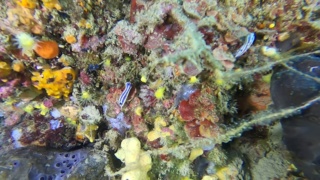
When we explore our underwater reefs we are often amazed by the number of species that we find in a few square meters and as in this case even in a few square centimeters. We have said it many times that biodiversity makes a habitat and an ecosystem more stable, solid and long-lasting. Often we fail to realize the quantity of different species that live next to each other and obviously it is almost impossible to know ...

Tree Sponge or Branched Sponge - Axinella polypoides

In this dive on a seabed of about 40-42 meters deep we encountered the Tree Sponge or Branched Sponge, Axinella polypoides, a sponge typical of the Mediterranean Sea that develops vertically often with various branches almost like a coral. Branched sponge Spugna alberello Spugna ramificata Axinella intotheblue.it ...

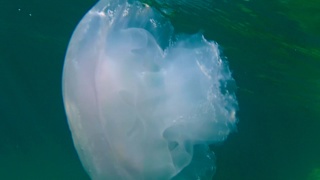
Jellyfish are food for fish

Jellyfish are an important source of food for fish, sea turtles, cetaceans, whales and dolphins. They are therefore a fundamental link in the food chain in our seas and oceans. Le meduse sono cibo per i pesci Jellyfish are food for fish intotheblue.it ...

No more plastics in the sea!!!

Marine plastics pollution is a type ranging in size from large original material such as bottles and bags, down to microplastics formed from the fragmentation of plastic material. Marine debris is mainly discarded human rubbish which floats on, or is suspended in the ocean. ...

Mucillage and Toxic algae Ostreopsis ovata

Also in this year we are witnessing the now common and usual phenomenon of the inflorescence of marine mucilage along the coasts of our sea. At the same time as the mucilage, however, an excessive proliferation of the microalgae Ostreopsis cf. Ovata. Qhese two phenomena should not be connected or at least should not occur at the same time so frequently ...

Squid eggs

In these two different dives at a depth ranging from about 40 to 50 meters, we filmed the eggs of the European squid (Loligo vulgaris) laid in completely different ways. Squid eggs Uova di Calamaro www.intotheblue.it ...

Cylinder anemone

Cylindrical or Cylinder anemone, Cerianthus membranaceus, (anemone cilindrico), is one of the species of deep sea anemones typical of the Mediterranean Sea. Autochthonous to the Mediterranean Sea, it can also be found in the eastern Atlantic Ocean, on sandy or muddy bottoms from a few meters up to 40 meters deep, even if in this dive we are on a rock ...

Yellow gorgonian - Eunicella Cavolinii

We met Yellow gorgonian, Eunicella Cavolinii (Gorgonia gialla) on a seabed of about 42 meters deep and as we can see from the images these colonies of yellow gorgonian are almost completely covered by marine mucilage. Due to the heating of the waters, the phenomenon of mucilage is now constant and these gorgonians are the first to suffer its effects. ...

Aplysia depilans - Sea hare

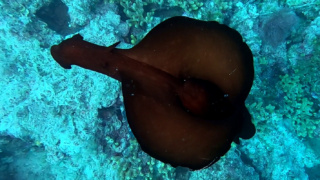
We publish another encounter with the Sea hare, Aplysia depilans, this time which took place on a depth of about 42/45 meters. We are on a not very high rock wall about 4/5 miles from the coast where, due to the now increasingly present mucillage, animals and marine organisms seem to ...

Charonia tritonis - Giant triton

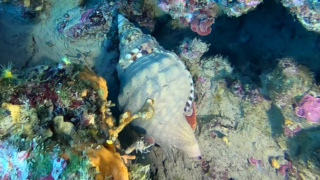
We are on some isolated rocks at a depth of 40/46 meters, where we have found two beautiful specimens of Charonia tritonis, Giant mediterranean triton.  This is the mollusk and consequently the largest shell in the Mediterranean Sea. In this dive we met two of them, we filmed the first one casually on the wall we were exploring, we realized watching the footage ...

Mucilage in May!

Here we are! and also this year we are here with mucilage phenomenon, the problem is: we are just in May and a week ago there was absolutely nothing in the same place! Could we blame all this on Hannibal anticyclone and the anomalous heat of this season ?! ...

Effects of trawling

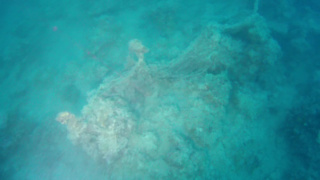
In this dive made some time ago on a depth ranging from 40 to 50 meters deep we filmed the usual ghost nets lost close to a cliff at a distance of about 5 miles from the coast. We spent almost the entire dive on the rocks that despite the conditions seemed quite vital, then we met several peaks on the seabed and we have to follow them, since they did not look like the ...

Too many lost fishing nets

The marine environment is affected by all kinds of pollution that has always been caused by human activities but from the industrial era to the present day it has developed exponentially to the point that we may consider not to return. A human activity in direct contact with the sea is certainly represented by professional fishing. ...

Fanworm - Sabella spallanzanii

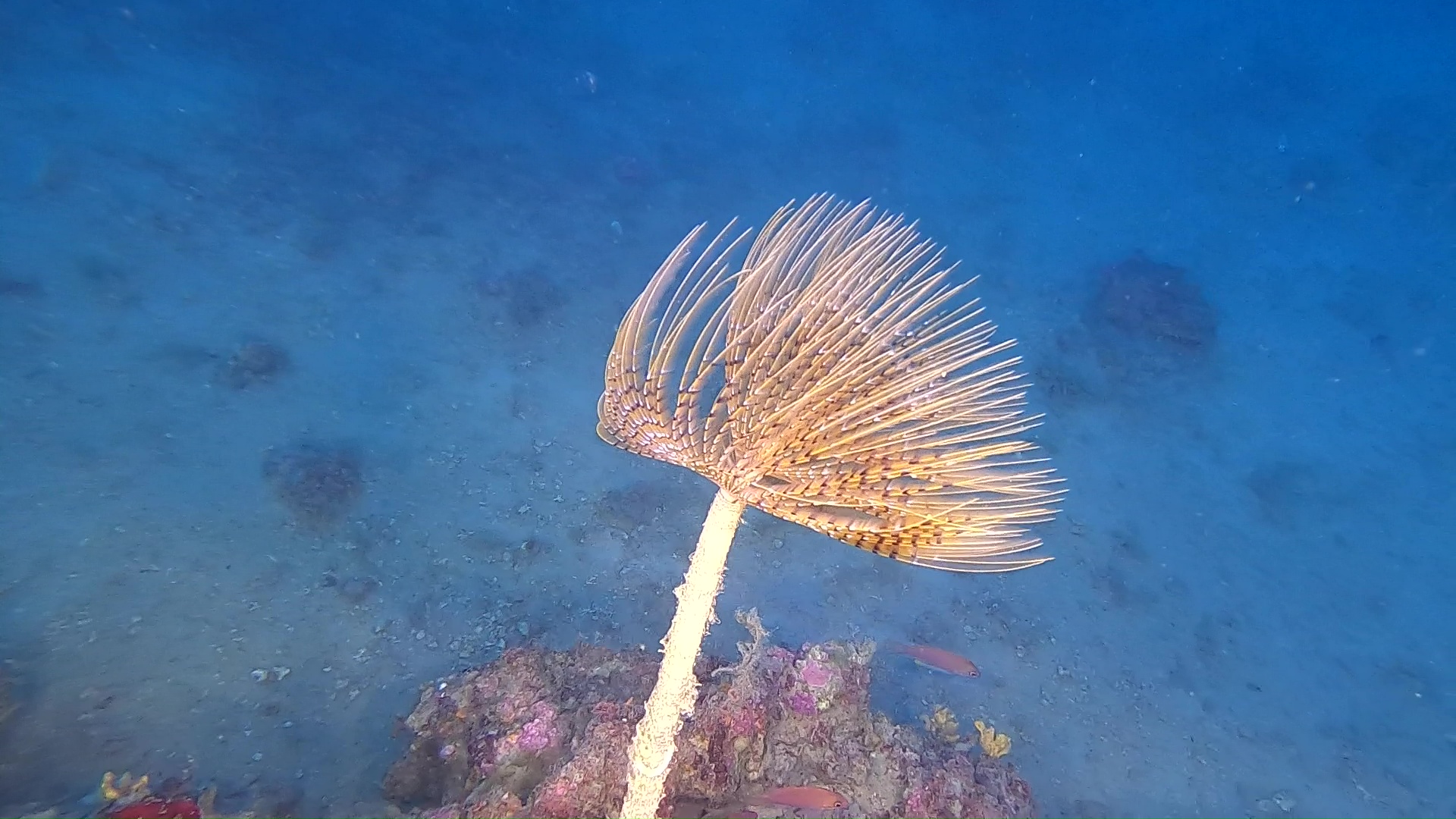
European Fanworm is one of the easiest organisms to encounter during a dive or more simply when you go underwater at any depth. However, it is almost impossible not to stop and admire it trying to observe it for as long as possible because we know very well that in a few seconds it will disappear in its tube at the sight of the diver or any predators ...

SOS Mediterranean sea and Oceans

This video was made on 11 June 2021 in the reefs of Lighthouse Vada near Livorno, over 6 miles from the coast of Castiglioncello at a depth of over 42 meters. The show caused me a strong upset; in over 40 years of scuba diving I have never seen such a strong presence of marine mucilage. ...

Respect for the sea

Summer 2020, trying to forget the COVID 19 pandemic, the explosion of mucilage that is devastating our seabed, I decide to take a dive in an area of ​​the "Secche di Vada" that I haven't seen for some time. In this blog we are reluctant to say the diving spots ...

European fan worm - Sabella spallanzanii

We are exploring a seabed about 6 miles from the coast, which varies from 39 to 49 meters in depth, in search of rocks and a submerged reef reported just before the sounding. Before arriving at the dive site we met a beautiful European fan worm, Sabella spallanzanii, ...

Grabbed nets

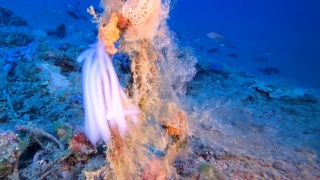
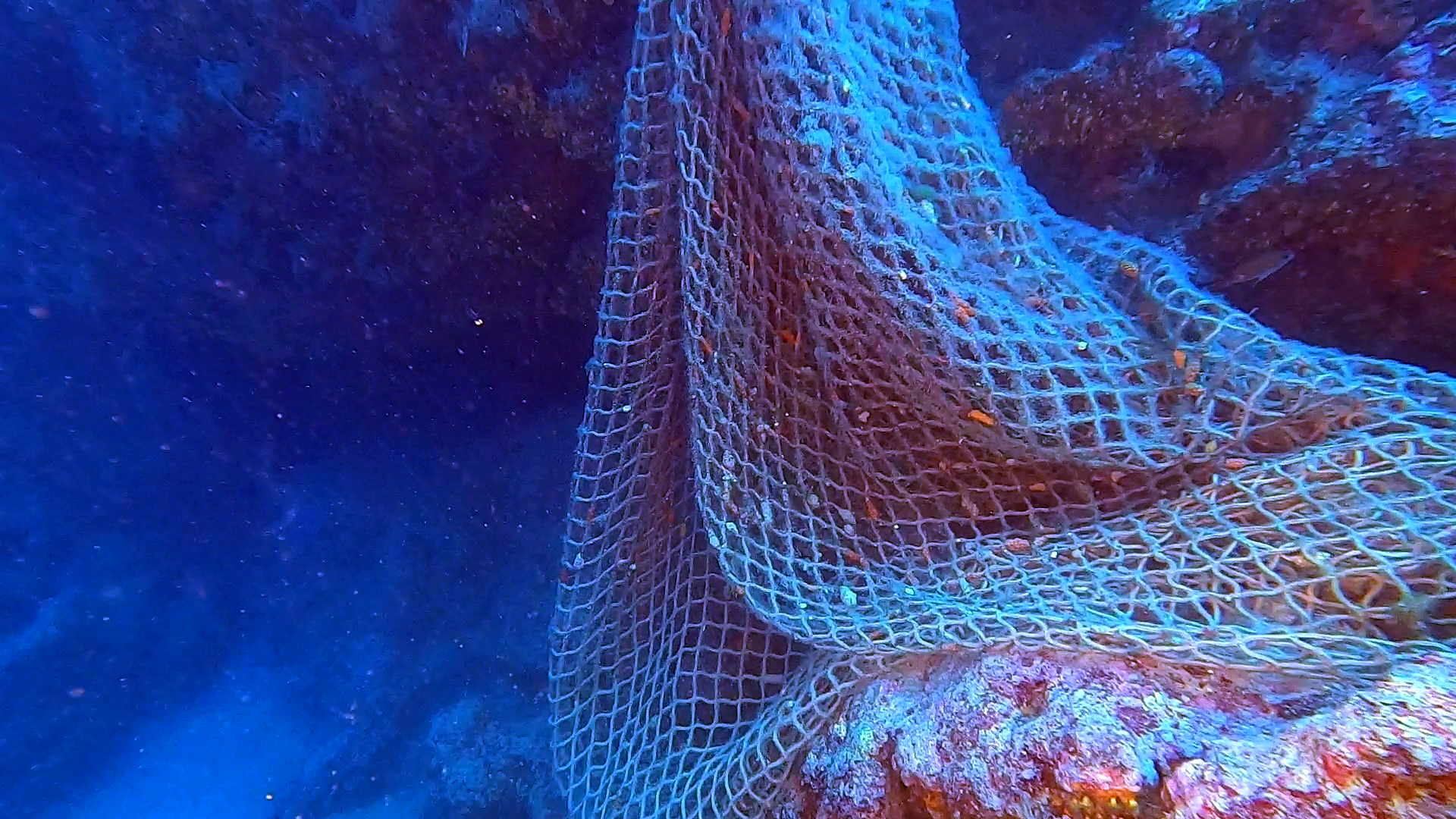
Grabbed nets  by the rocks, and therefore now lost, are one of the most frequent environmental damage in our seas. Not only because they continue to kill marine species of fish, molluscs, crustaceans, corals, turtles and dolphins, but because they are mostly made of plastic fibers such as nylon, polyethylene etc. Tramaglio perso Lost fishing net Intotheblue.it ...

Acetabularia acetabulum

In this video we are in the waters in front of the Tuaredda Island in Sardinia, one of the most beautiful beaches in the Mediterranean Sea and for someone one of the most beautiful in the world ...

Excessive Proliferation of Sea Walnuts for Marine Heating

This video was made at the end of August 2019 in Castiglioncello in the province of Livorno in Tuscany and shows us an excessive proliferation of Mnemiopsis leidyi due to marine heating.

Effects of climate change in the Mediterranean Sea

The Mucilage caused by marine heating. Nobody can deny that the warming of our planet Earth is now evident even to those who still harbor doubts and uncertainties. Climate change is present at all levels of our ecosystems: from tropical forests to the oceans.

Marine plastic pollution

Riciclo Riuso Recupero Riutilizzo Ricreo Riduco ... There are many "R" that can be evoked to try to reduce marine pollution from plastics, waste of resources, and to try to make all of us aware of respect for the environment and the sea. ...

Naval mine of the Second World War

During a scuba dive in the area known as the Shallow of Vada Sandbanks, at south of the city of Livorno I came across a naval mine from the Second World War that remained unexploded; over time it sank near a cliff at a depth of about 50 meters.

Toxic algae: Ostreopsis ovata

We are in Sardinia, Capu Mannu, at the beginning of the Sinis peninsula Oristano province. We believe we have filmed the Ostreopsis ovata, a toxic algae, ...
Marine Plastic Pollution

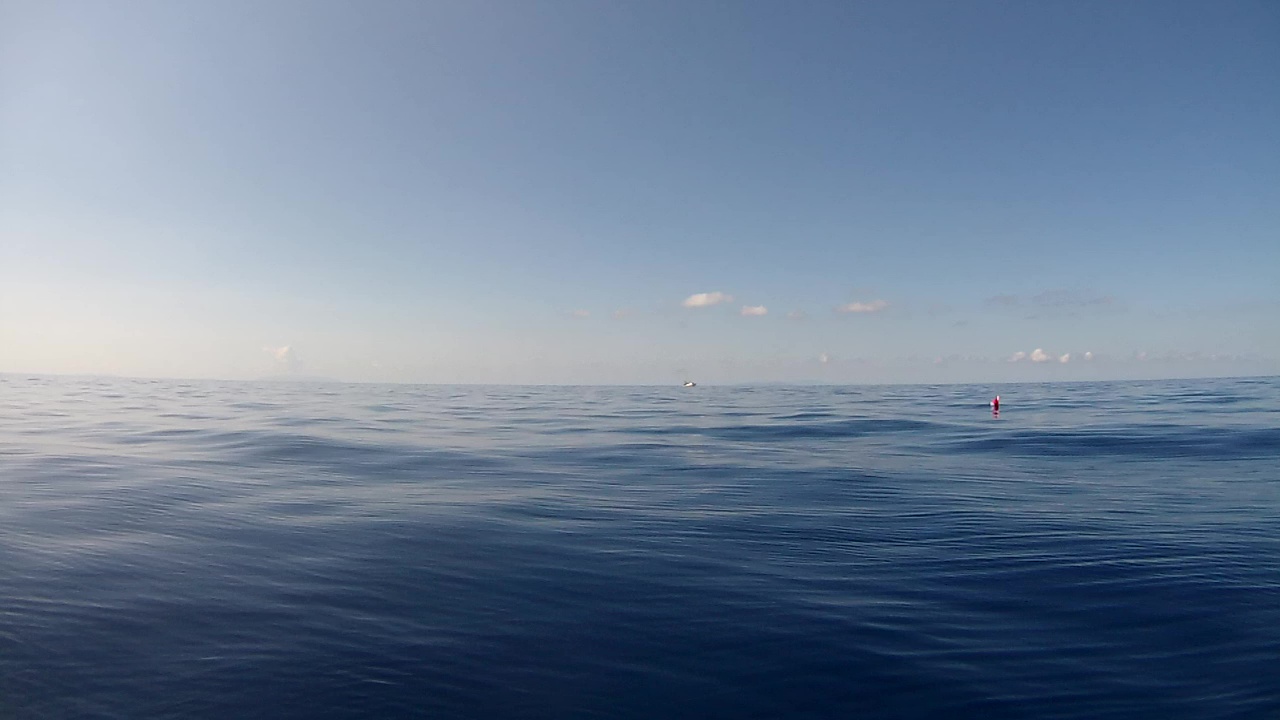
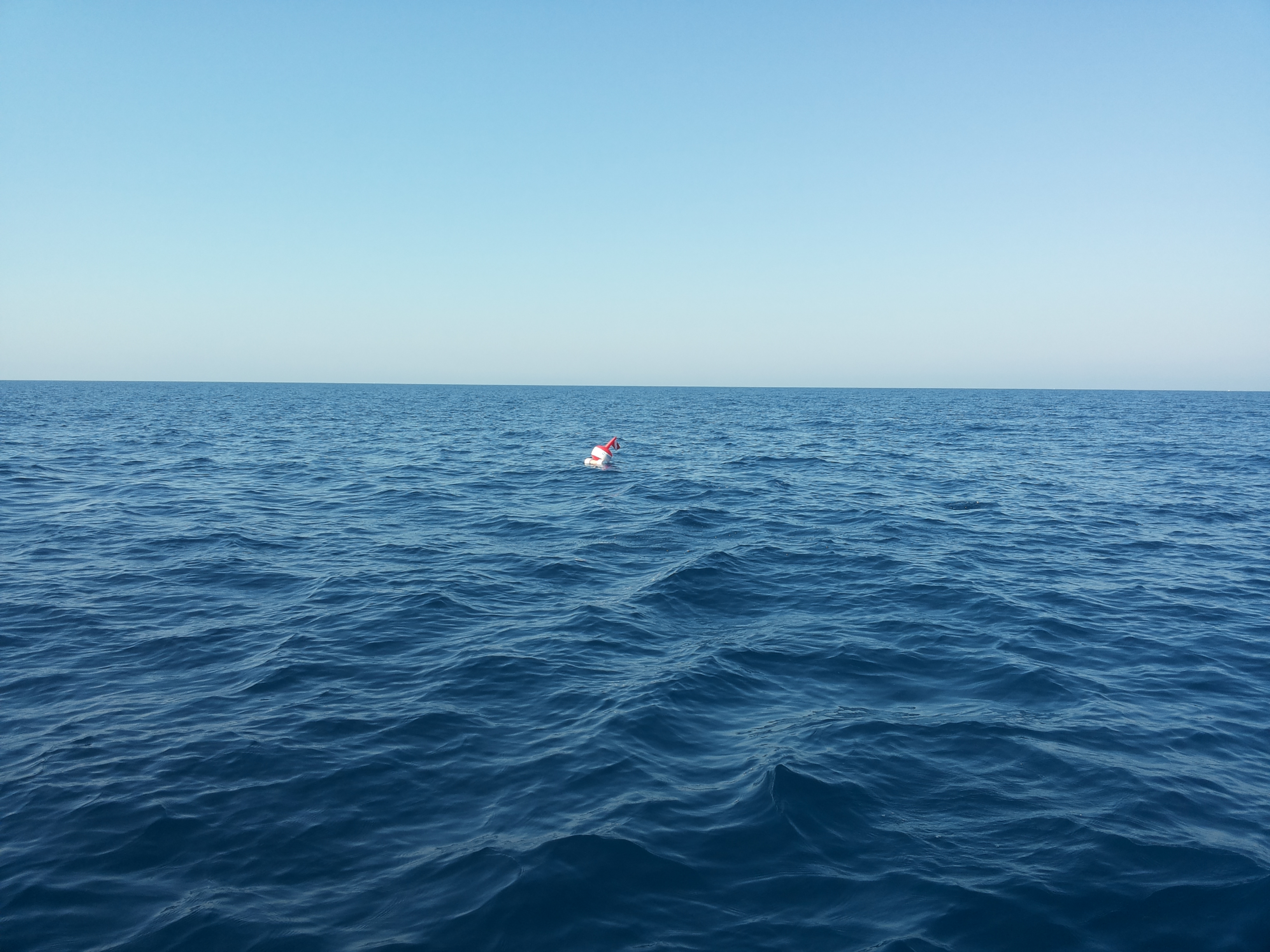
While sailing to reach the place of diving I came across an expanded polystyrene box, the kind used by fishermen to transport fish, which floated in the sea.

Blue fish

These beautiful fish of an intense electric blue. They are the fry of Chromis Cromis, commonly called Black Damselfish ...

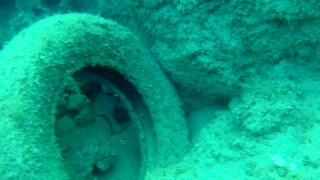
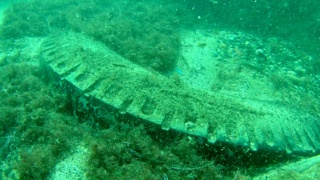
Again a Tyre at Sea

The sea is a complex ecosystem that we all have to respect and love because it could ultimately turn against us. We have also made a commitment to document the things that pollute or destroy the marine environment to make everyone aware of how to keep our sea clean.

Abbandoned Fishing Net Colonized by Sponges

We now know well that abandoned fishing nets cause significant environmental damage because they continue to trap fish and other marine organisms, which will die, and because they constitute polluting material for the marine environment.

A Sea of Plastic…?!

Marine animals, fish, cetaceans, marine reptiles, crustaceans, etc. do not distinguish the plastic materials from the plankton or jellyfishes they feed on and then try to eat them by swallowing them. It often happens that plastic bags swallowed lead to the death of animals or end up in their meat and then in the food chain that sees the man at the top.

A Sea to Love and Protect!!!

In this video, shot in the Mediterranean Sea, we show you a tyre that we found buried and that has been there for who knows how long. Someone did not know how to dispose of it and threw it into the sea ...? Or was it simply lost by a trawler or a ship that used it as a fender ...?

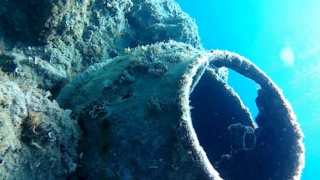
Why a Concrete Mixer stay at the bottom of the sea ...???!!!

Why a Concrete Mixer stay at the bottom of the sea ...???!!! The sea is polluted by the human activities connected to it.

Palinurus elephas, Corallium rubrum, Scorpaena scrofa, Savalia savaglia, Anthias anthias

This movie was made on 31.07.2016 in the low seabed Ligurian Sea at a depth of 65/70 meters. ...